Maritime Heritage Along Canada's Shorelines
A record of coastal settlements, working ports, and fishing communities that shaped Atlantic Canada — from the Grand Banks to the Bay of Fundy.

Coast & Port Coverage

Nova Scotia's Fishing Industry: Four Centuries on the Water
From seasonal cod camps to modern lobster fisheries — how Atlantic Canada's most distinctive trade took shape along rocky coastlines.

Halifax Harbour: A Working Port Through Three Centuries
Founded as a naval base in 1749, Halifax Harbour evolved into one of North America's busiest deep-water ports — shaped by war, trade and geography.
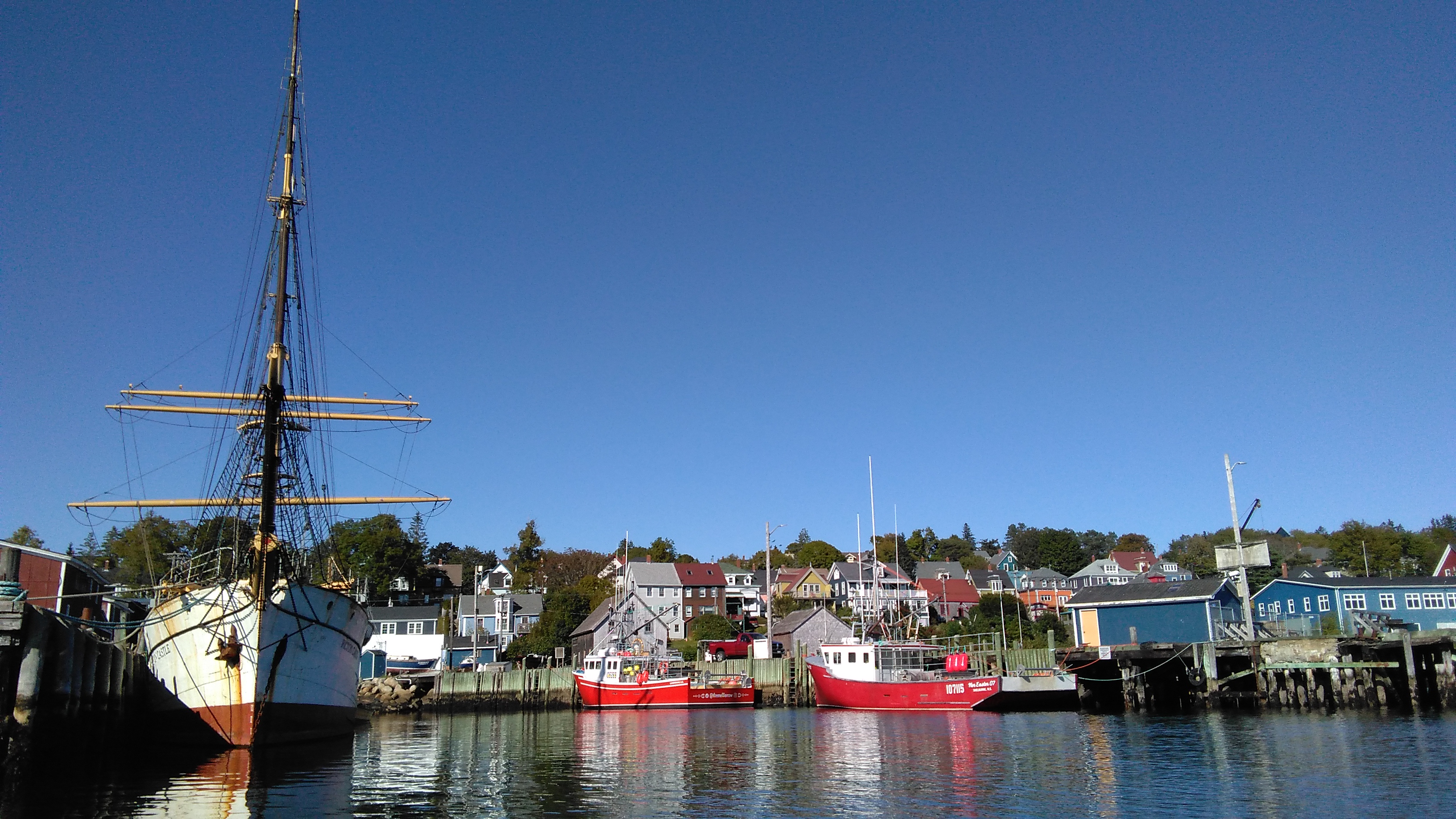
Lunenburg: A UNESCO Town Built on Wooden Hulls
Settled by German-speaking Protestants in 1753, Lunenburg became the heart of the Atlantic schooner trade and a landmark of Canadian maritime identity.
What Harbor Weekly Covers
Harbor Weekly documents the history and character of coastal communities across Canada — with particular focus on the Atlantic provinces. The publication draws on publicly available historical records, municipal archives and academic research to trace how fishing, trade and maritime infrastructure shaped the towns and people along Canada's shorelines.
Coverage spans fishing industry history, port development, vessel traditions, lighthouse records and the cultural practices that distinguished coastal settlements from inland communities.
Geographic Focus
Nova Scotia
Home to Halifax, Lunenburg and hundreds of smaller fishing outports, Nova Scotia's 7,500 km of coastline contains the densest concentration of maritime heritage in Canada.
Newfoundland & Labrador
The Grand Banks cod fishery drew European vessels to Newfoundland's shores for centuries before Confederation. The province's outport settlements remain among the most studied coastal communities in North America.
New Brunswick & PEI
Bay of Fundy tides, river-based lumber shipping and a distinctive lobster-harvesting culture define the maritime character of Canada's smallest province alongside its New Brunswick neighbours.